Formation DELF
June 2026 — Present
A French-learning platform for DELF B2 exam preparation, with AI writing feedback, practice exercises, and a live voice examiner.
Read the case studyKamal El HaddadiSoftware Developer · Full-stack · SaaS · AI products · Product engineering
I help early-stage founders launch a first release or improve an existing product, from the interface to the back end.
I work on web applications, with experience in AI features, payments, and the workflows that connect them.
Turn the core idea into a usable product, with the screens, application logic, and integrations it needs to launch.
Add a workflow, connect a service, or improve an interface. Start with the part that matters most to your users.
Need interface design or a launch website? Include it in your brief so we can define the scope together.
Products I’ve built, from a client platform to a personal project.
June 2026 — Present
A French-learning platform for DELF B2 exam preparation, with AI writing feedback, practice exercises, and a live voice examiner.
Read the case studyAn AI meeting notetaker that records, transcribes, and summarises Google Meet and Zoom calls, with a transcript connected to the recording.
“Kamal, you did a great job on this project. Your contribution was truly remarkable.”
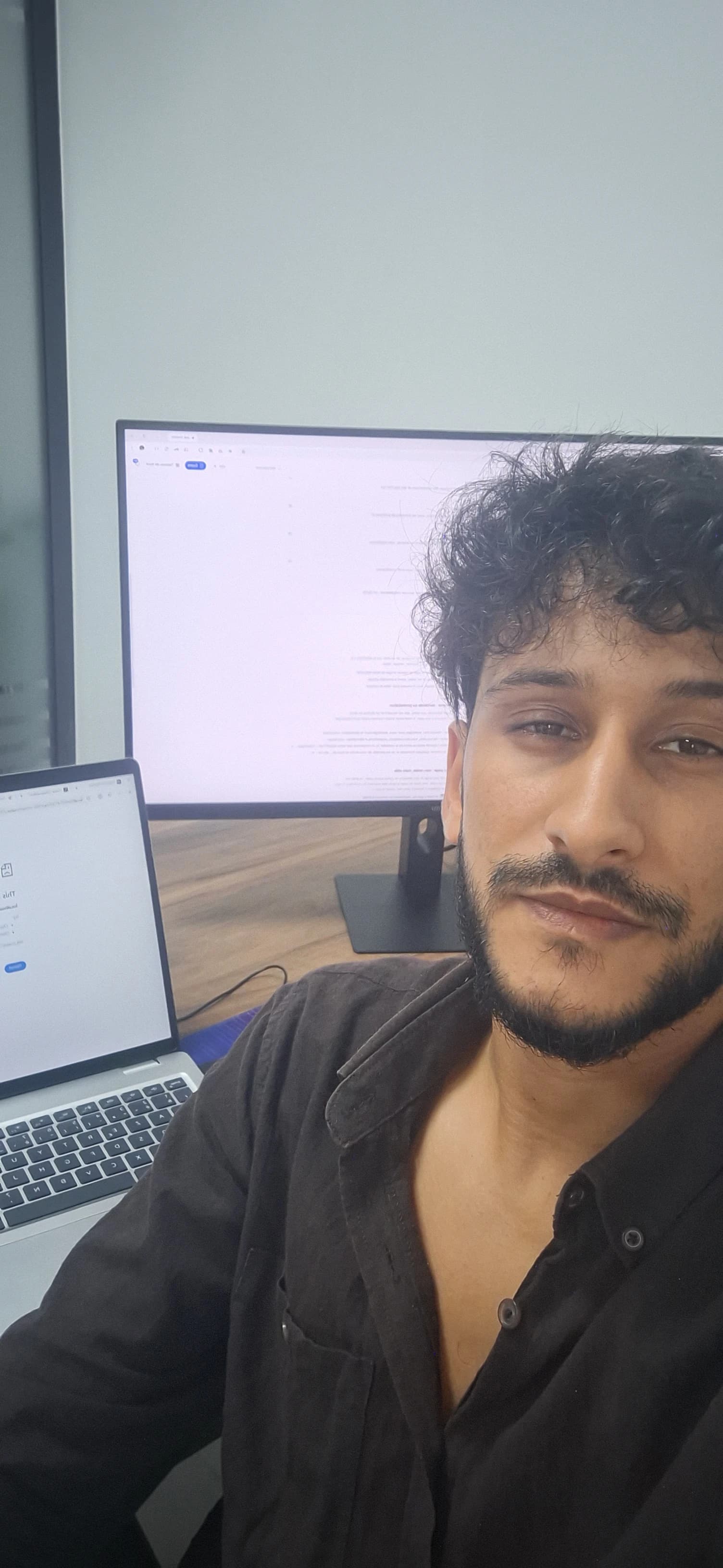
I’m Kamal, a full-stack software developer based in Tangier, Morocco. You work directly with me on the front end, back end, integrations, and deployment.
I collaborate with a designer on the interface when the project needs it. Design involvement is part of the scope we discuss before starting.
My work includes Formation DELF, a client learning platform, and Clarv, my own meeting-notes product. Both involve the application development and payment integration I bring to client projects.
The tools I use to build, ship, and run full-stack SaaS and AI products.
Clear decisions and review points, from the first conversation to handover.
Start with your users, the problem, and the main workflow. Discuss feasibility, budget, and timing, then separate the essentials from what can wait.
A focused scope and priorities.
Review the key screens and user journey before the full build. Bring existing designs, or include a designer’s involvement in the project scope.
An agreed direction for the interface.
Review working functionality as the build progresses. Check the main user flows, error states, and integrations, and discuss the impact of changes as they come up.
Working software you can review.
Complete the final checks and deployment. Walk through the product, documentation, and account access, with follow-up work defined in the project agreement.
A deployed product and clear next steps.
A few practical details before you reach out.
Web products for early-stage founders: a first release, a new feature, or improvements to an existing application. My experience includes learning platforms, AI workflows, and payments. Share your current product or idea so we can assess the fit.
Yes. You work directly with me on development. I collaborate with a designer when interface design is needed. Bring any designs you already have; the design work and who is involved are agreed as part of the scope.
Start with a short brief and any existing designs or code. The scope, technical dependencies, and priorities shape the estimate. The proposal is where we agree the deliverables, cost, and timing, including any separate service costs.
We agree review points and how to communicate at the start. You review the core screens and working functionality during the build. If priorities change, we discuss the effect on scope, cost, and timing before adding the work.
Before we start, we clarify code ownership, repository access, hosting, and third-party accounts in the project agreement, including responsibilities and recurring service costs. The handover covers the agreed documentation and access.
The handover includes documentation and a walkthrough. Bug fixes, maintenance, and additional features need a defined scope; the project agreement sets out what support is included and what would be a separate piece of work.
Tell me what you’re building, who it’s for, and where you need help. Send a short brief or book an introductory call to discuss the scope, timeline, and whether we’re a good fit.
A few lines are enough to start. If you have a target date, budget range, designs, or an existing product, include them too.